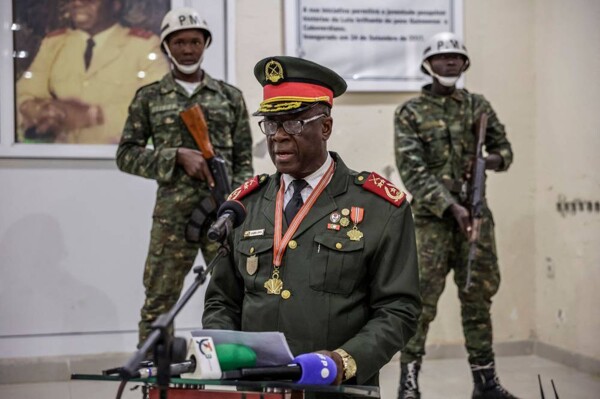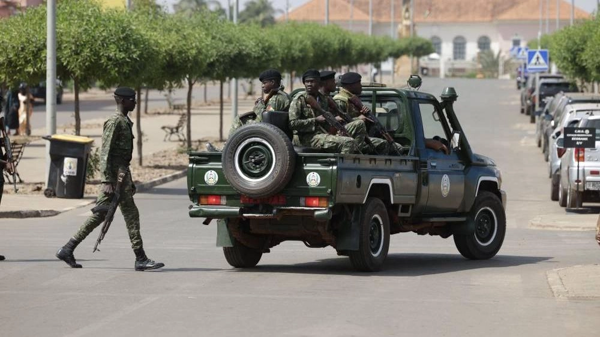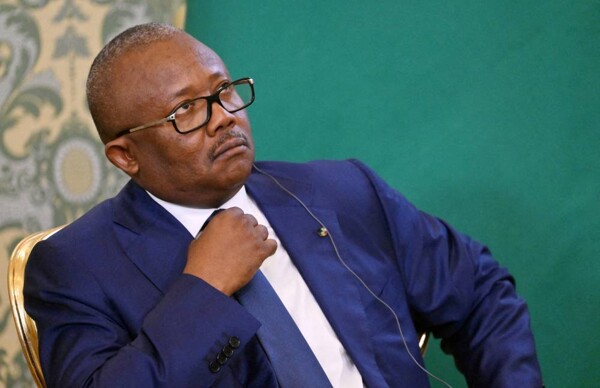
Corruption, instability, and poverty have opened the door to a resurgence in drug trafficking in Guinea-Bissau, where the military junta that carried out this week's coup justified its actions by alleging that "drug traffickers" were plotting against the West African nation. Wednesday's coup sheds light on the murky links between traffickers, politicians, and officials, and their role in fueling political turmoil in the country, which has previously experienced several coups. A visible sign are the luxury SUVs cruising the streets and the mansions suddenly bought by people with no clear source of income, while the United Nations has described the country as a transit route for drugs from Latin America to Europe. In its report last August, the Global Initiative against Transnational Organized Crime (GITOC) stated: "Guinea-Bissau has long been a pivotal element in the international cocaine trafficking system." It added that "the cocaine market in Bissau is thriving again today, arguably more profitable than at any other time in the country's history." It continued: "Colombians can be seen in the most luxurious hotels in the capital, and cocaine and crack prices are falling." The country's history has been marked by military coups and violence since its independence from Portugal in 1974. Drug trafficking has fueled instability, leading some analysts to label Guinea-Bissau a "narco-state," with the U.S. even describing some of its officials as "drug barons." The coup leader, General Denis Nkanha, told reporters that the officers moved to isolate the president to protect national security after uncovering a plot involving "local drug traffickers." He added, citing intelligence reports, that the plan to destabilize Guinea-Bissau involved "smuggling weapons into the country to change the constitutional order." The coup came as the country awaited the results of presidential and legislative elections held on November 23. A source with knowledge of the matter told AFP on condition of anonymity that foreign drug traffickers are building relationships with local partners who have connections within the security forces to ensure the safe passage of drug shipments. The source also said that "scouts" for the network alert partners in the capital about the arrival of ships or planes from Latin America, after which the "product" is escorted to Bissau, with the involvement of military and high-ranking officials in drug trafficking having been repeatedly exposed in recent years. Some political campaigns have been suspected of being funded by drug traffickers, as parties suddenly purchased luxury SUVs to travel around the country. West Africa has long been a transit point for drugs, especially cocaine from Latin America, en route to North Africa and Europe, mostly by sea but increasingly by land, according to a 2024 report by the United Nations Office on Drugs and Crime.